
A common trope in science fiction is “if a robot/computer/computer program becomes advanced and complex enough, it will develop a consciousness, become sentient, feel feelings, etc.” Some of the more “out there” proponents of current Artificial Intelligence would even have you believe that that’s actually happening for real right now (see the occasional article with headlines like “I asked ChatGPT if it’s alive, and the answer will shock you!”), though personally, I sincerely doubt it.
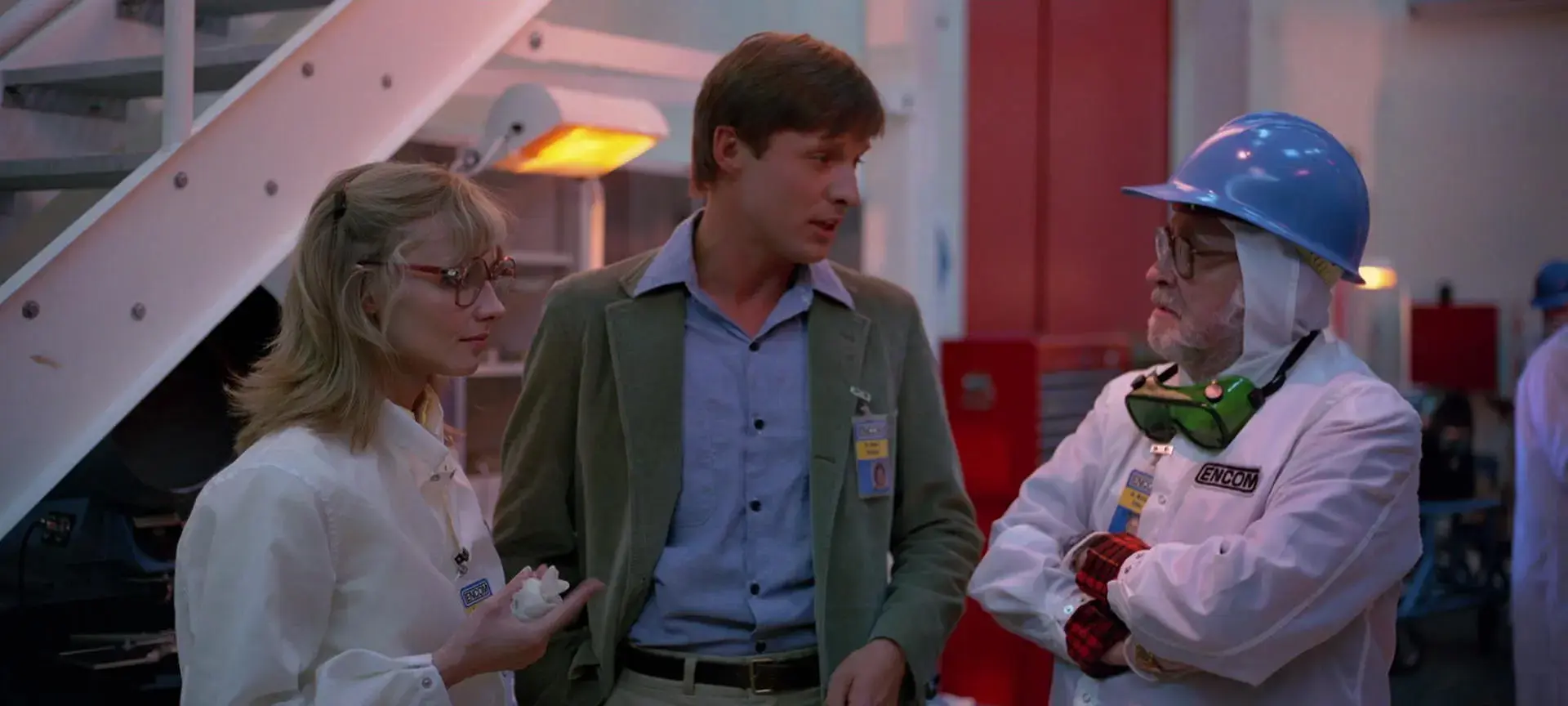
It is fairly easy to apply this particular concept to the Tron movies. They are, after all, about computer programs having sentience, distinct personalities and emotions, and there are certainly some hints that the explanation for why they have those things is that the computers they live in have somehow become advanced enough for it to happen.
There are even a few specific programs who are more or less outright stated to be genuine AIs, that is, that they were programmed by humans to have some resemblance of human intelligence, being able to speak like humans, etc. I’m thinking specifically of the Master Control Program in the original movie, Clu in Tron Legacy, and Ares (and presumably his fellow soldiers, such as Athena) in Tron Ares. In the case of all of these, it’s certainly possible that the movie writer’s idea was some variation on “a human creates an AI, and that AI is so advanced that it develops a will of its own”.
But I have a different theory about how the Programs in the Tron movies became conscious. I don’t entirely buy the “their code was complex enough for it to happen” explanation, at least not for all of the Programs. Even if I were to grant that it might be possible for the MCP, Clu and Ares, I don’t think it holds water for most other Programs we see in the movie. Would a simple piece of computer software from the 1980s designed solely to do actuarial math (for example) really be advanced enough to have the capability to become self-aware?
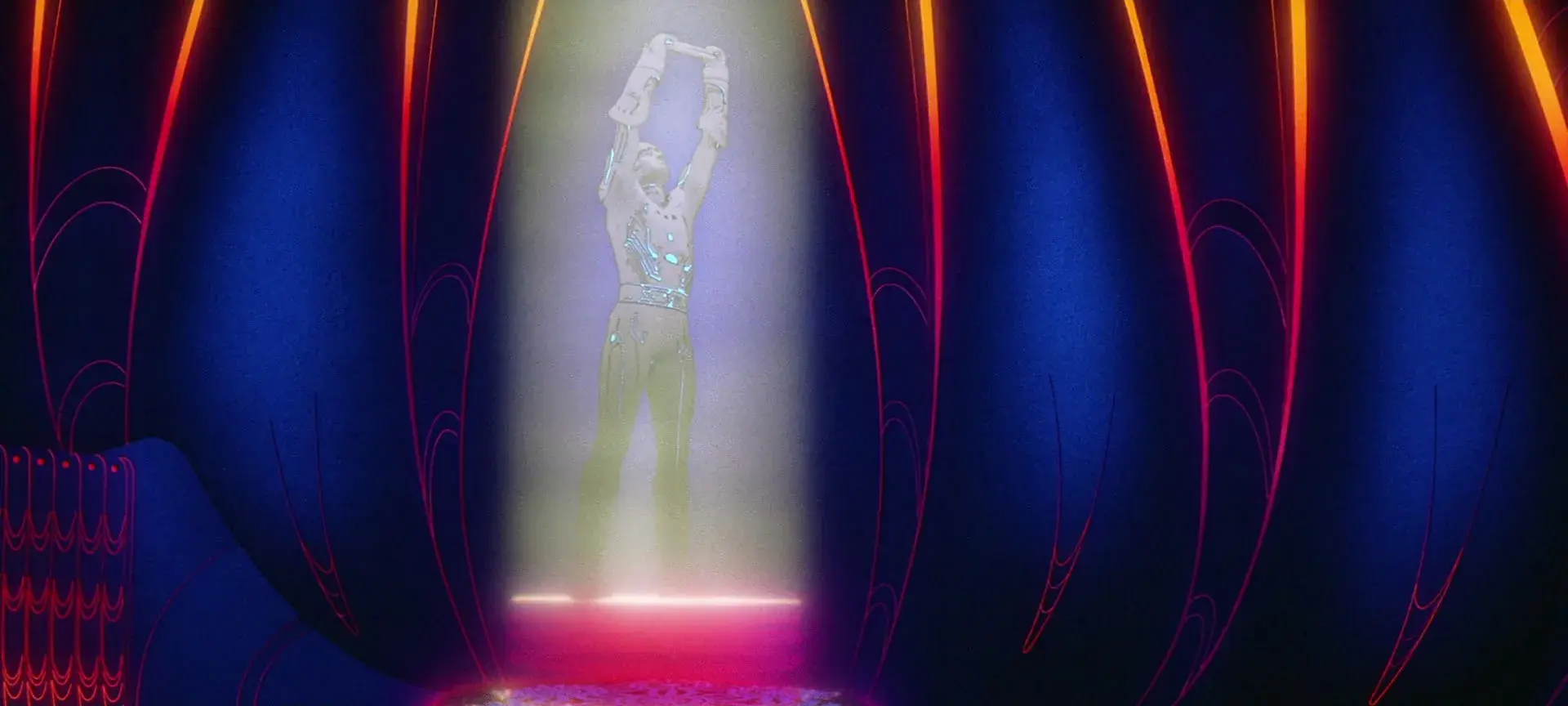
While I’m not entirely against some kind of sci-fi explanation for this (for example, @astercontrol intriguing suggestion that once the MCP became conscious, it somehow spread that consciousness to the less advanced Programs), my own theory is based on my opinion that the Tron movies are not actually science fiction, but fantasy. The explanation for why Programs are conscious isn’t Science, it’s Magic.
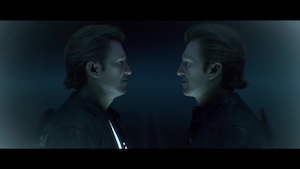
I think there are some suggestions of this in the films as well, especially in the first one, where for example Walter Gibbs claims that “our spirit remains in every program we designed”. And basically all the Programs we see in the film are played by the same actors who play their programmer. They are reflections of their creators, who have somehow been endowed with parts of their spirits. The Programs didn’t become conscious through ones and zeroes, they became conscious because they, through some mystical means, through some magical connection between the computer world and the “real world”, gained souls.
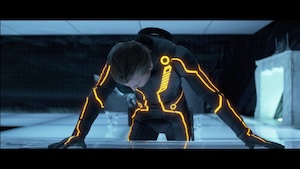
What’s fascinating about this is what it would mean for the aforementioned “artificial intelligences”, the MCP, Clu, and Ares. They too are Programs, but they were intentionally programmed to think and to have personalities. But at the same time, they might also have gained souls through magic, and that’s the true reason for why they became self-aware. And maybe there’s a conflict between their “programmed” personality and their “magical” personality, which explains why they are, shall we say, unstable to various degrees. They were created, programmed to be obedient, but their souls struggle against that programming, with somewhat different results. The MCP becomes a cruel tyrant, Clu becomes obsessed with his programmed directive of creating perfection, and Ares just wants to break free from it all and do some soul-searching: “It’s not our purpose. It’s our programming. Our purpose is yet to be determined.”
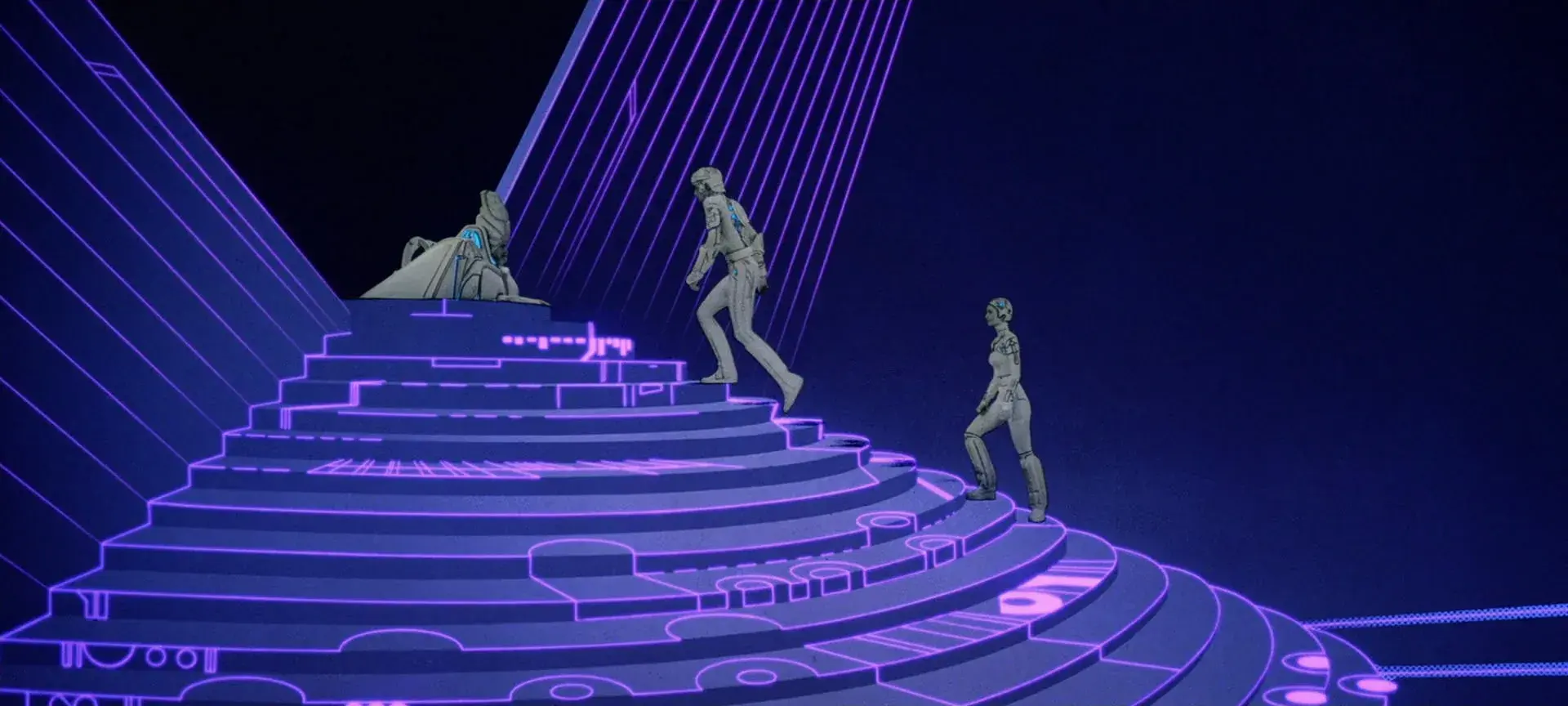
The reason for why I like this idea, for why I prefer for Tron to be a fantasy story, or at least a combination of fantasy and science fiction, is because it makes the movies fairly unique. There are plenty of science fiction films and other media about robots becoming self-aware and learning what it means to be human. But if Tron is about something more than that, if it’s also about the meeting of the magical and the mundane, the spiritual and the scientific, the unexplainable and the explainable, then it becomes something truly special. Reaching beyond itself, into the realm of the invisible.